

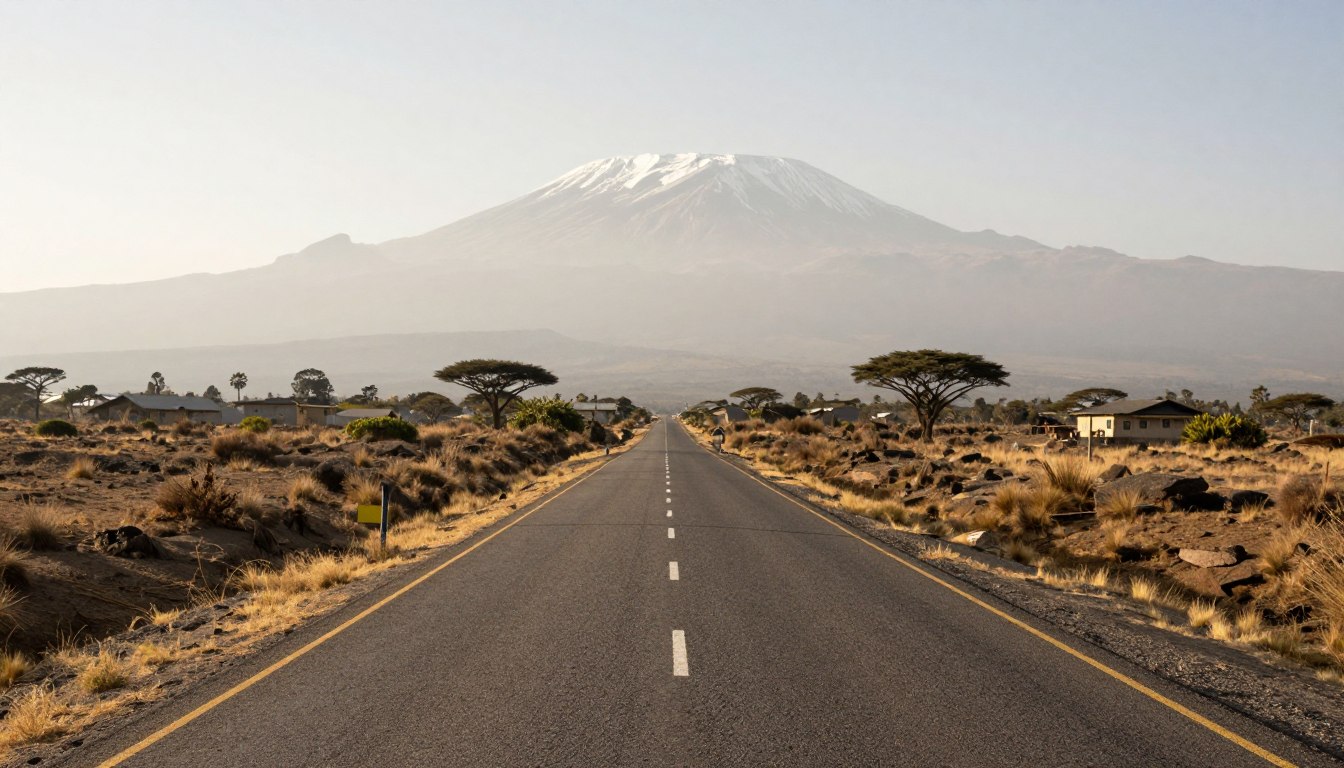
Kilimanjaro Airport to Moshi: Distance and Travel Time
The road from Kilimanjaro International Airport to Moshi distance is about 40 to 45 kilometers, depending on the hotel and route. In normal traffic, the trip often takes 45 minutes to 1 hour.
Book Your Transfer
Fill in your details and we'll confirm your booking on WhatsApp.
Traffic, road works, rain, and border-style checks can add time. A late arrival may be faster than a busy afternoon trip. Ask your driver for a realistic arrival estimate instead of relying on the shortest map time.
A simple route plan
- Clear immigration and collect your bags.
- Meet your driver at the agreed airport point.
- Allow 45 minutes to 1 hour for the road trip.
- Keep extra time for traffic or a delayed flight.
Which Airport Transfer Option Is Best?
Most visitors choose a private taxi or a pre-arranged hotel transfer. A shuttle can suit passengers who want a lower price. Public transport may cost less, but it is less direct and harder with large bags.

Private taxi
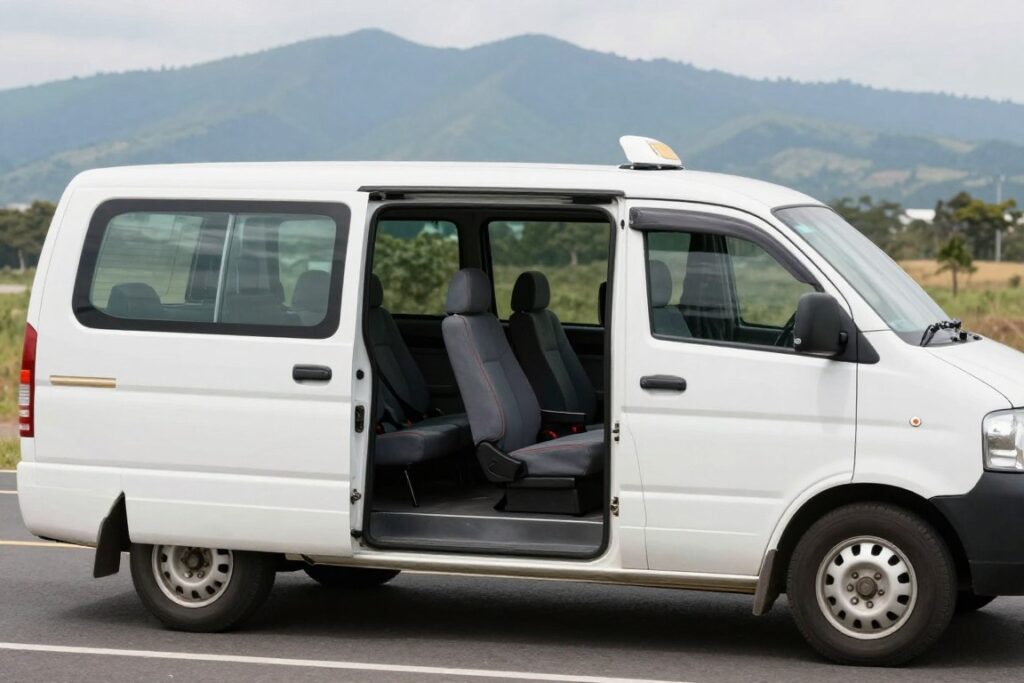
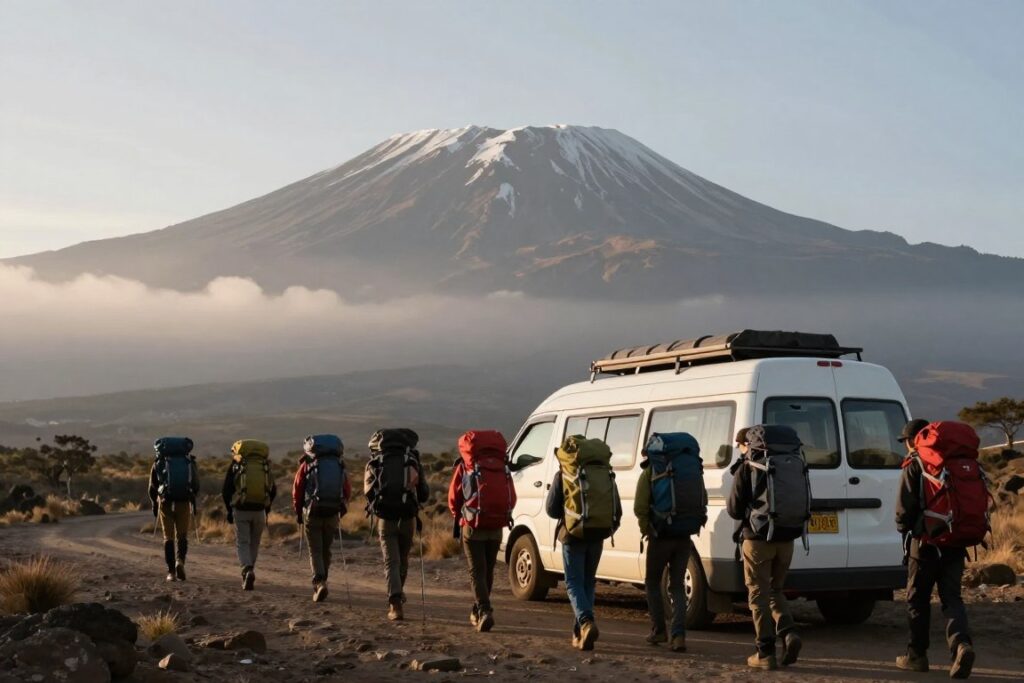
A private transfer is direct and comfortable. It works well for couples, families, and trekkers carrying equipment. You can usually request a sedan, van, or larger vehicle.
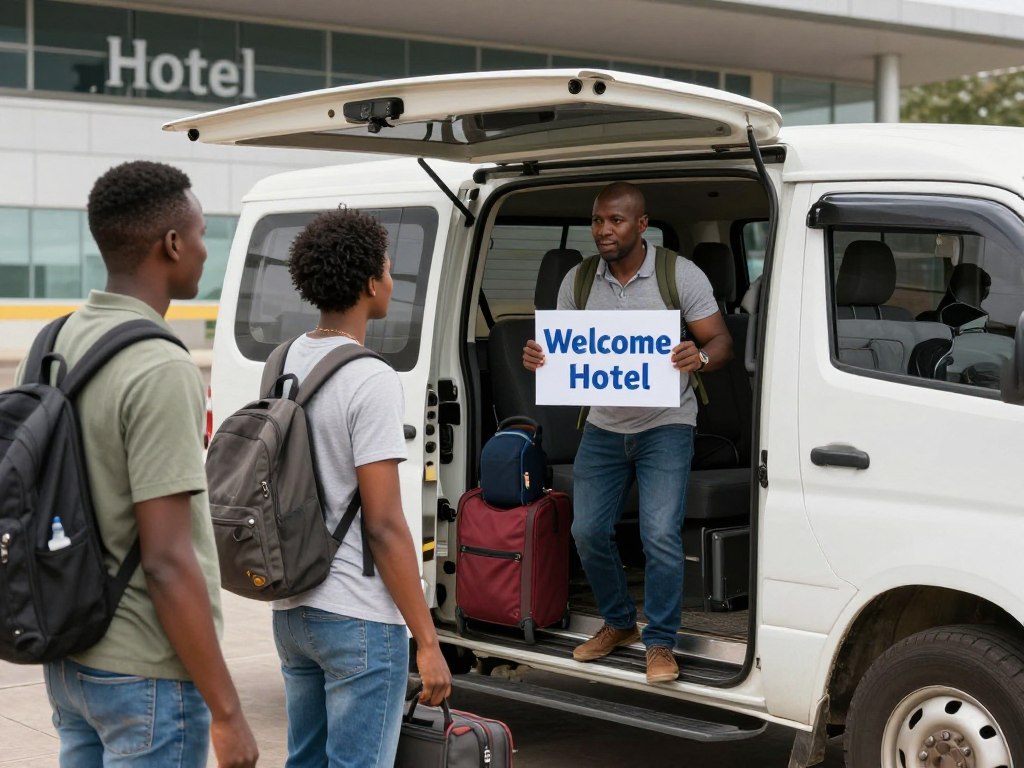
Hotel pickup
Many hotels arrange an airport service when you book a room. This is convenient because the hotel already knows your destination and check-in details.
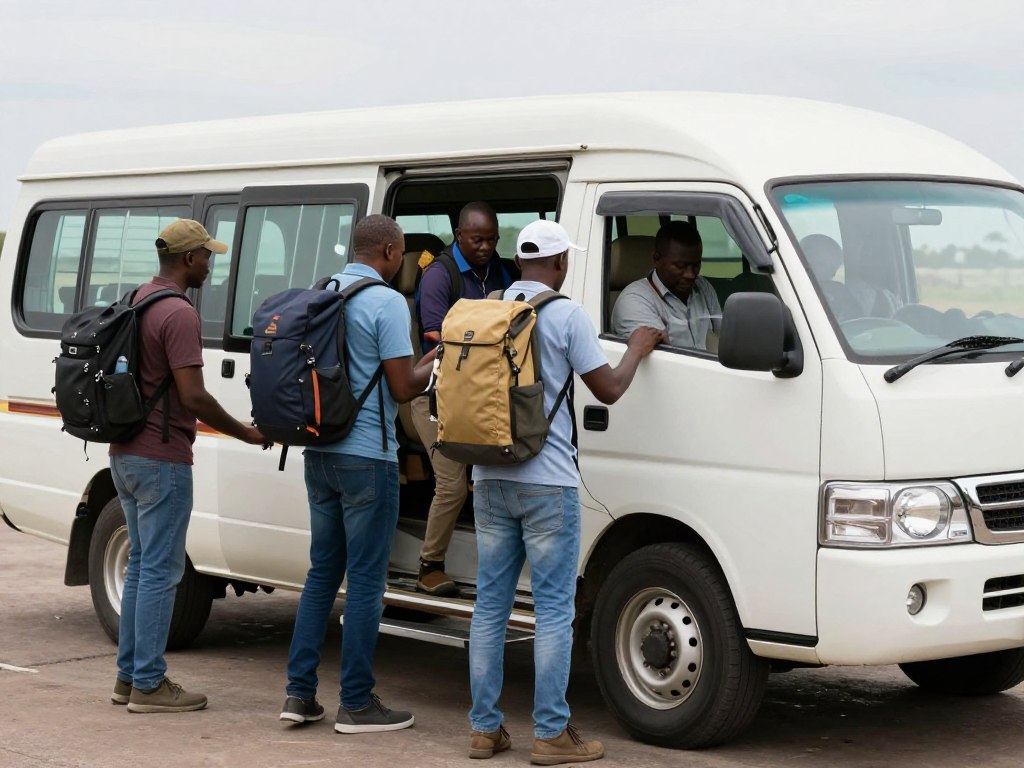
Shared shuttle
A shuttle may be useful for solo travelers or small groups. Confirm the schedule, luggage rules, pickup point, and whether other stops are included.
Compare Taxi, Shuttle, and Public Transport
The right option depends on your budget, arrival time, and destination. A private transfer normally offers the easiest experience. Public transport may require several stages and is not ideal after a long international flight.
| Option | Typical time | Best for | Main concern |
| Private taxi | 45–60 minutes | Direct comfort | Confirm the price first |
| Hotel transfer | 45–75 minutes | Hotel guests | May cost more |
| Shared shuttle | 1–2 hours | Lower-cost travel | Extra stops |
| Public transport | 2 hours or more | Experienced budget travelers | Bags and changes |
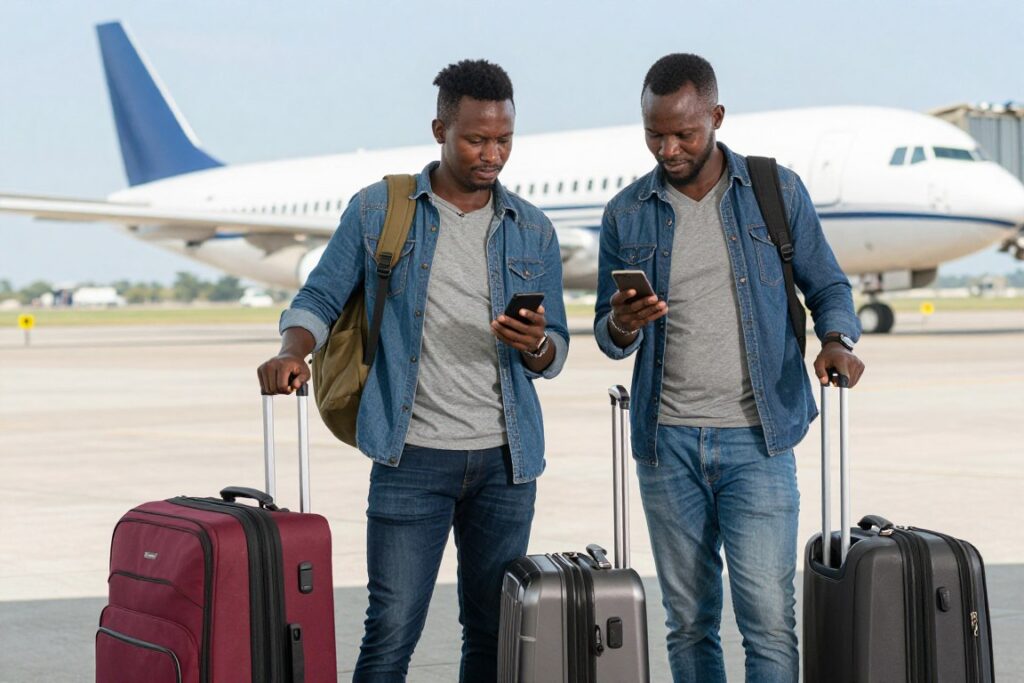
Compare convenience, stops, luggage space, and the final destination before booking.
Transfer Costs, Rates, and What Is Included
Prices vary by vehicle size, time of day, booking channel, and final destination. A short private taxi ride to central Moshi may have a different rate from a large van going to a lodge or trek hotel.
Rather than trust an old price list, request a current quote. Confirm whether the price includes parking, waiting time, luggage, tolls, and drop-off at your exact address. A written quote helps prevent confusion at the airport.
Ask these price questions
- Is the quoted price for the whole vehicle or each passenger?
- Are flight delays covered without an extra waiting fee?
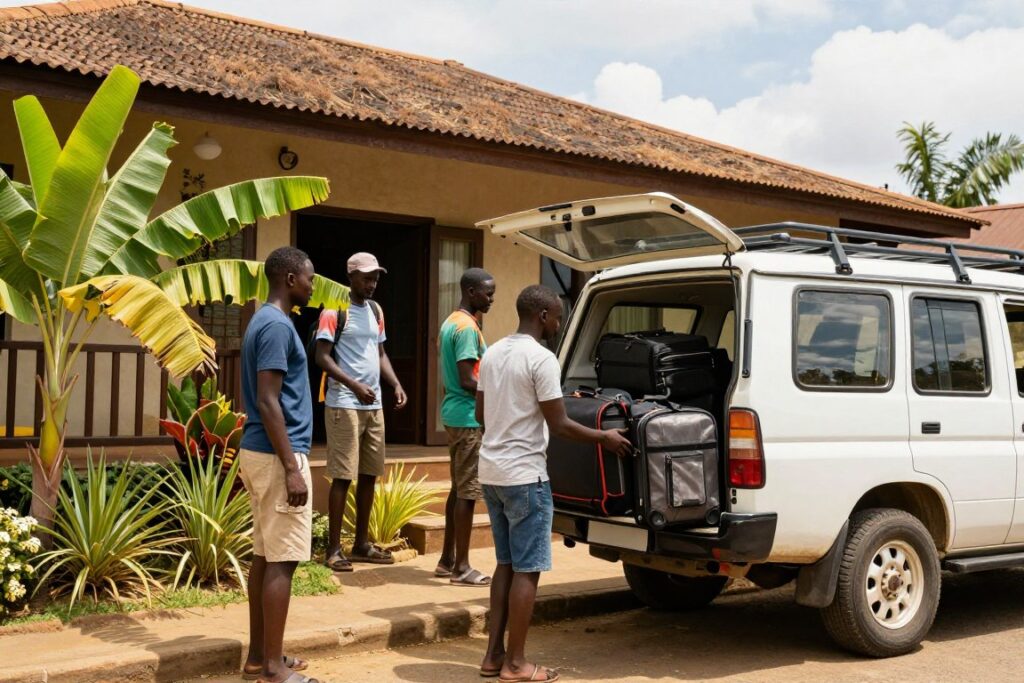
- Does the service include airport pickup and luggage assistance?
- Can the driver take you to Moshi, Arusha, or a nearby lodge?
What to Do After You Land
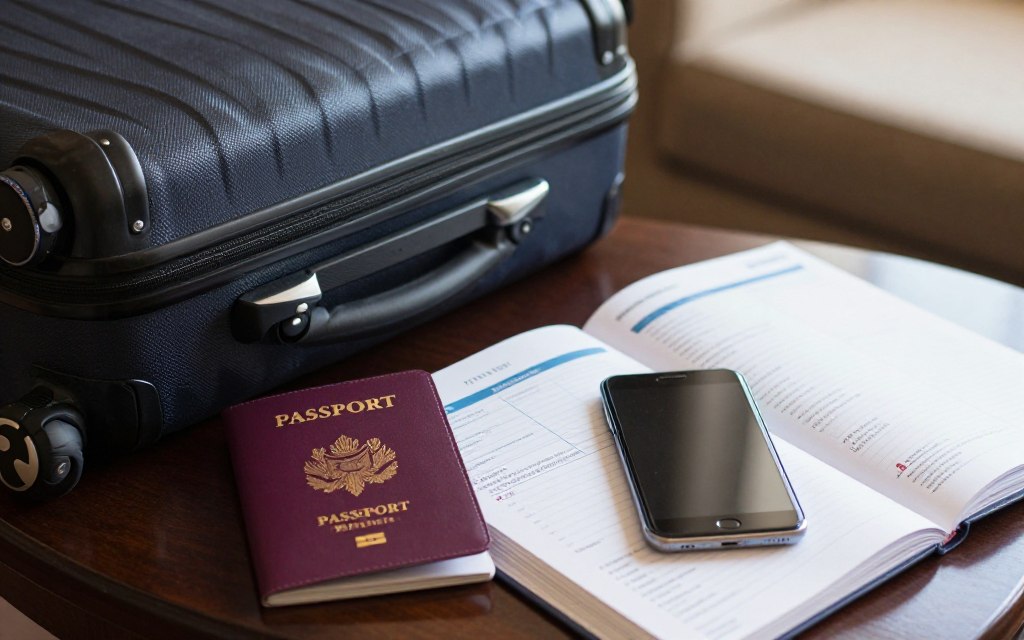
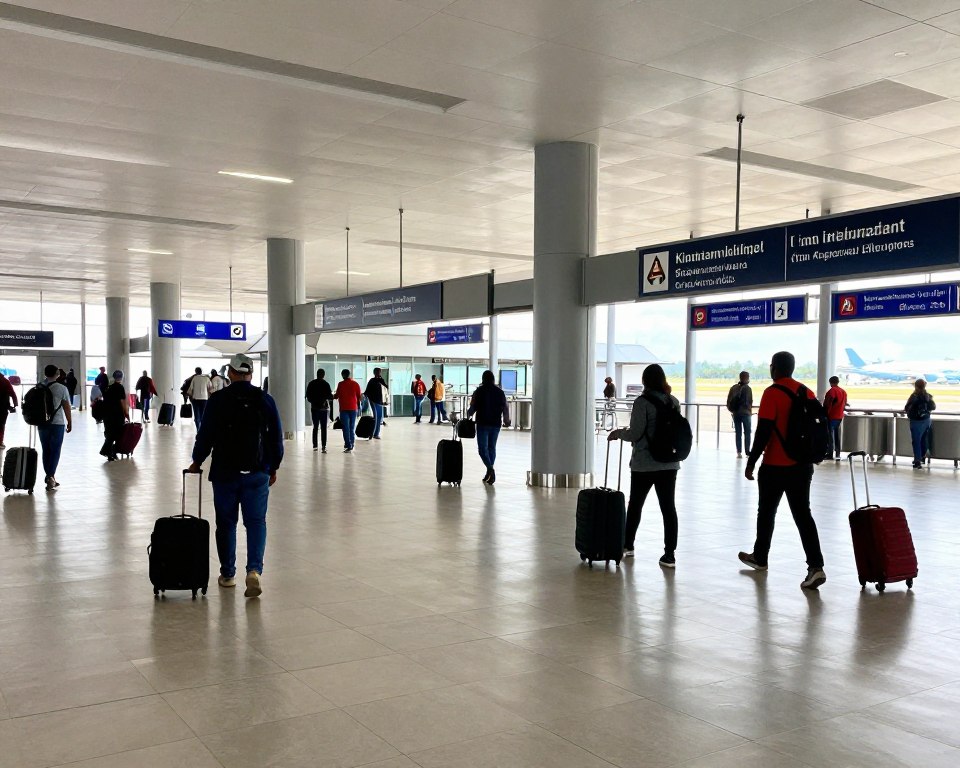
Kilimanjaro International Airport is an international airport with immigration, baggage collection, customs, and an arrivals area. Follow airport signs and keep your passport, booking details, and accommodation address ready.
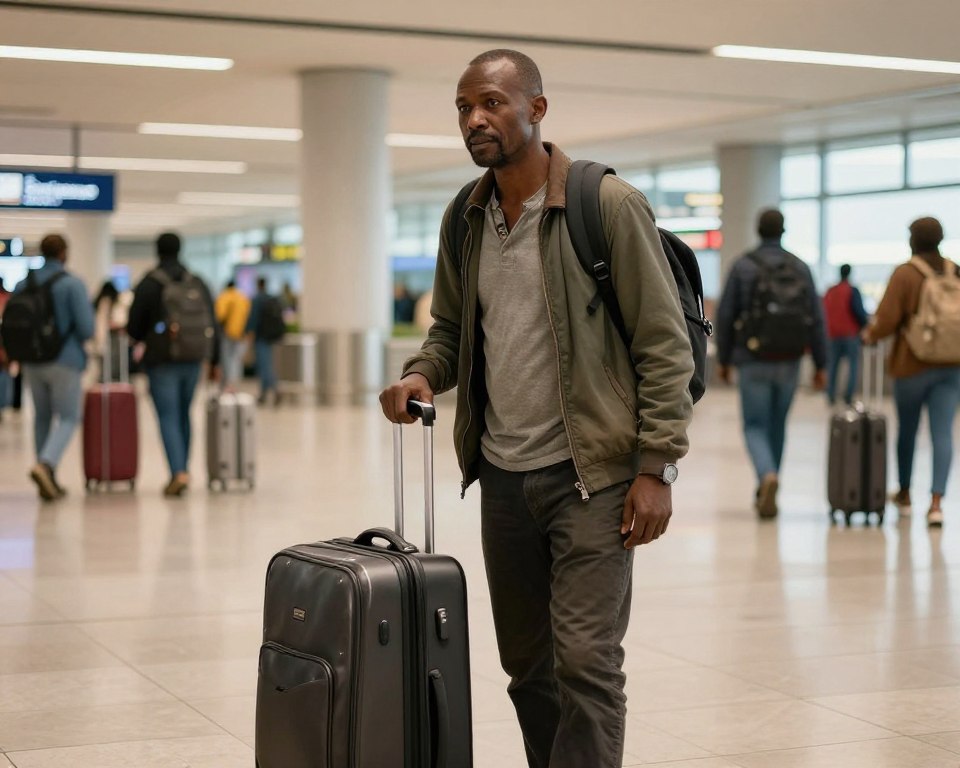
Agree on the meeting point before your trip. Many airport transfers use a name board in the arrivals hall. If you cannot see the driver, connect to airport Wi-Fi or use the local contact number supplied with your booking.


How to Book a Reliable Airport Transfer
Book early if your trip includes a Kilimanjaro trek, a safari departure, or a late-night landing. Share your flight number, arrival day, passenger count, luggage needs, and hotel address.
Choose a service that explains the vehicle, driver contact, cancellation terms, and meeting process. For a group, check the number of seats and storage space. A vehicle that fits three passengers may not fit three large trekking bags.

Safety Tips for the Moshi and Arusha Route
Use a licensed or established service when possible. Avoid accepting an unconfirmed ride from someone who approaches you outside the terminal. Keep valuables with you and check that the vehicle has working seat belts.
Share your itinerary with your hotel or travel partner. If your flight changes, tell the provider as soon as possible. A professional service should have a clear process for delays and missed connections.
- A known meeting point.
- Help with bags.
- Direct travel to your hotel.
- Less stress after an international flight.
- Unclear rates at the curb.
- Unverified drivers.
- Too little luggage space.
- No plan for a delayed flight.

Kilimanjaro Airport to Moshi FAQ
Request a Transfer Quote
Choose the Transfer That Fits Your Trip
A private taxi or hotel transfer is usually the simplest way to reach Moshi after landing. A shuttle may reduce costs, while public transport requires more time and planning. Check the latest rates, confirm the meeting point, and allow extra minutes for the road.
With your flight details and destination ready, you can arrange a smooth first trip from the airport to Moshi and begin your safari or trek with less uncertainty.