
Moshi Tanzania Elevation: How High Is Moshi Above Sea Level?
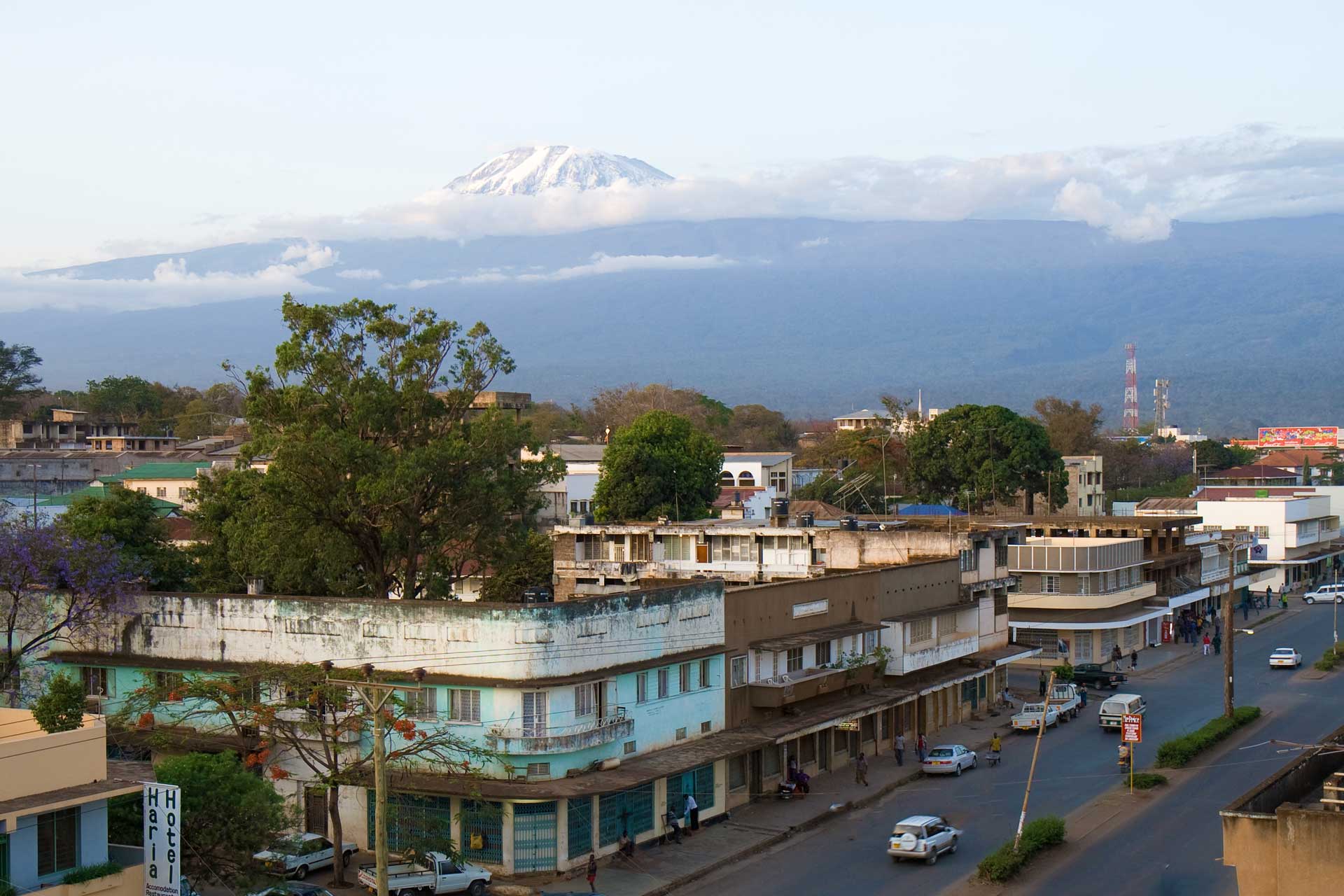
If you are planning a Kilimanjaro climb or a northern Tanzania safari, one of the first things you may look up is Moshi Tanzania elevation. The short answer: Moshi sits between about 700 and 950 metres (2,300 to 3,120 feet) above sea level, on the southern slopes of Mount Kilimanjaro.
This guide explains the exact figures, why they vary, and what the altitude means for your trip.
Moshi Tanzania Elevation at a Glance
| Measure | Elevation |
|---|---|
| Moshi town (range) | 700 m to 950 m (2,300 ft to 3,120 ft) |
| Typical town-centre figure | About 800 to 900 m (2,600 to 2,950 ft) |
| Moshi Airport (QSI) | 834 m (2,735 ft) |
| Mount Kilimanjaro summit (Uhuru Peak) | 5,895 m (19,341 ft) |
Moshi is the capital of the Kilimanjaro Region and the smallest municipality in Tanzania by area, covering about 59 square kilometres.
Why Do Sources Give Different Moshi Elevations?
You will see slightly different numbers online, such as 813 m, 888 m, 900 m or 950 m. That is normal, and there are three main reasons:
- The town slopes. Moshi is built on the lower slopes of Kilimanjaro, so the ground rises as you move north toward the mountain and drops toward the south. Southern areas sit near 700 m, while northern areas reach about 950 m.
- Different measuring points. Some sources measure the town centre, others the airport, a ward, or the whole municipality.
- Different data. Online elevation maps often use satellite data with a resolution of around 90 metres, which gives approximate values.
Neighbourhood figures show the spread. Majengo ward averages about 827 m, while Kiboriloni ward averages about 903 m.
How High Is Moshi Compared With Kilimanjaro?
Moshi is a base for climbers because it lets you start at a comfortable altitude. The Kilimanjaro summit is nearly 5,000 metres higher than the town, which is why climbers spend days walking up through rainforest, moorland, alpine desert and finally ice.
Climbers usually reach the national park gates at much higher elevations than Moshi, depending on the route, and then continue upward from there.
Does Moshi’s Elevation Cause Altitude Sickness?
No. At roughly 700 to 950 m, Moshi is well below the altitude where most people notice symptoms. Altitude sickness generally becomes a concern above about 2,500 m (8,200 ft).
That makes Moshi a good place to rest, recover from jet lag and prepare before a climb. Many trekkers spend a night or two here before heading to the mountain, and again afterwards to relax.
What Does Moshi’s Elevation Mean for the Weather?
Because of its altitude and position at the foot of Kilimanjaro, Moshi is generally milder and fresher than the hot coastal areas of Tanzania. Mornings and evenings can feel cool, and the mountain’s clouds often clear in the early morning and late afternoon, giving the best views.
A simple guide to the seasons:
- Dry seasons: roughly January to February and June to October, the most popular times for climbing and safaris.
- Long rains: roughly March to May, with heavier rainfall and lush scenery.
- Short rains: roughly November to December, with lighter and less predictable showers.
Check a current forecast close to your travel dates, as conditions vary from year to year.
Why the Elevation Makes Moshi Special
The volcanic soil and the water that flows down from Kilimanjaro make the area green and fertile. Moshi is known for coffee farms, banana groves, waterfalls and relaxed village life. Its name comes from the Swahili word for “smoke”, and many people link it to the mist and clouds that often wrap around the mountain.
The elevation also means you get dramatic views of Kilimanjaro from town on a clear day, without needing to climb at all.
Tips for Visitors
- Fly into Kilimanjaro International Airport (JRO), which is about 45 to 60 minutes from Moshi by road. Moshi has its own small airport, but most international visitors use JRO.
- Spend a day or two in Moshi before a climb to adjust to the area, sort gear, and meet your guides.
- Pack layers. Even at under 1,000 m, mornings and evenings can be cool, and you will want warm clothing for the mountain itself.
- Stay hydrated and use sun protection. Equatorial sun is strong at any elevation.
Frequently Asked Questions
What is the elevation of Moshi, Tanzania?
Moshi sits about 700 to 950 metres (2,300 to 3,120 feet) above sea level, with most of the town centre around 800 to 900 metres.
Is Moshi at high altitude?
Not really. It is moderate in elevation and well below the level where altitude sickness is common, which makes it comfortable for most visitors.
How high is Moshi compared with Arusha?
Arusha is generally higher than Moshi, so it tends to feel slightly cooler. Check a current source for exact figures for the neighbourhood you plan to stay in.
What is the elevation of Moshi Airport?
Moshi Airport (QSI) is at about 834 metres (2,735 feet) above sea level.
Can you see Kilimanjaro from Moshi?
Yes. On clear mornings and evenings, the mountain dominates the skyline, though clouds often hide it during the middle of the day.
Final Thoughts
The Moshi Tanzania elevation of roughly 700 to 950 metres makes the town a comfortable, scenic gateway to Mount Kilimanjaro and northern Tanzania. It is high enough to enjoy cooler air and mountain views, and low enough that you can relax without worrying about altitude. Whether you are about to start a climb or simply exploring the region, Moshi is an easy and welcoming place to begin.